
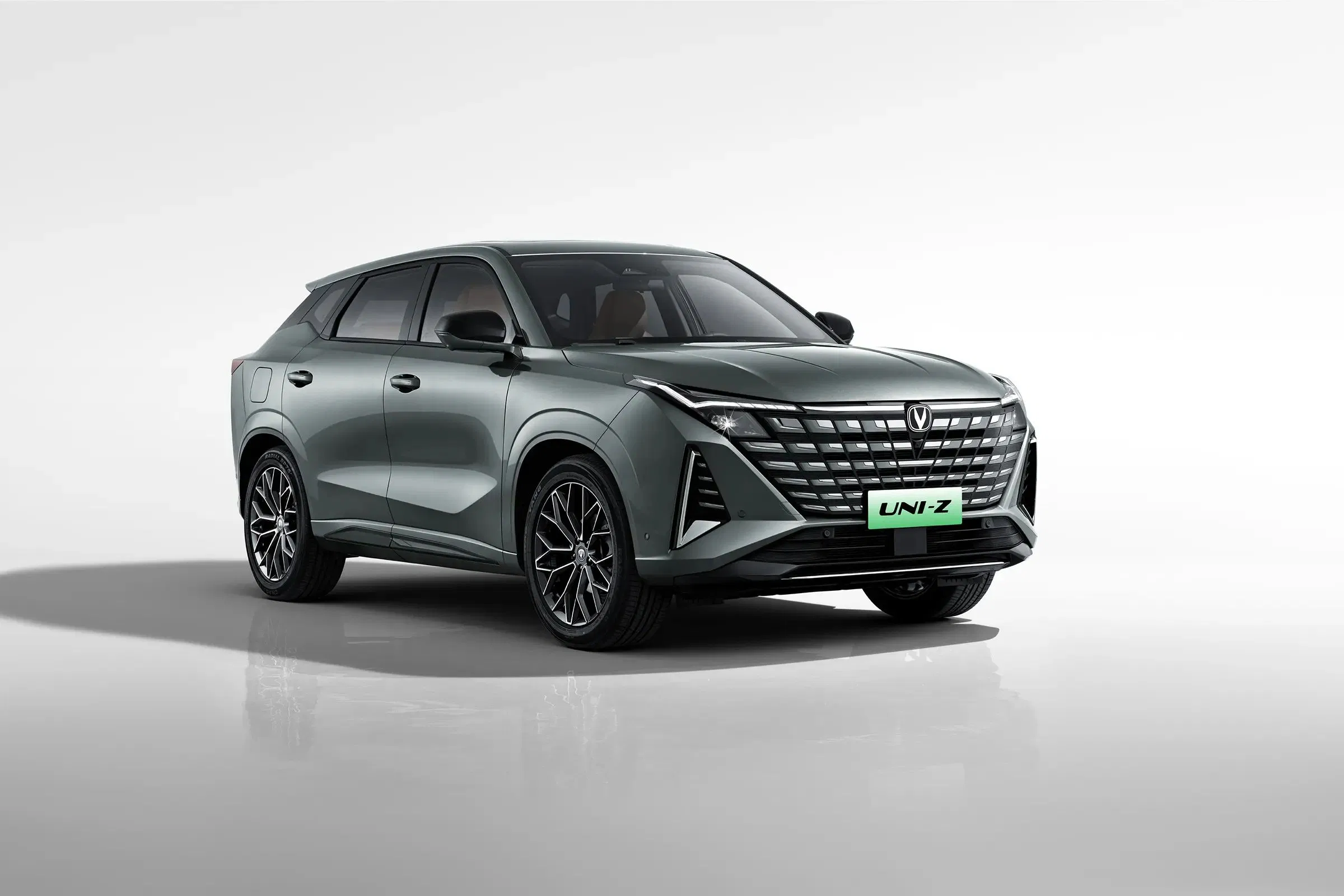
Compare vehicles that can genuinely meet the same brief
Start with confirmed gasoline or iDD identity, production records and equipment that suit the intended destination and family task. The VIN and production-plate guide keeps comparable vehicles from being mixed with a different version advertised under the same name. Record asking price, included work and delivery basis for each offer before discussing mileage. A low-distance car with the wrong charging arrangement or unsupported powertrain is not improved by its odometer figure. Keep essential suitability as a separate gate. Only then compare whether the lower-mileage candidate actually offers a more useful condition and ownership starting point than the better-documented alternative.
Build a distance timeline instead of trusting one photograph
Ask for attributable dated records covering registration, maintenance, inspection and available historical odometer observations. Explain gaps and inconsistent dates rather than treating missing information as proof of fraud or proof of low use. The accident, flood and repair review adds a separate damage-history question. Check that records describe the selected VIN and that any instrument or module intervention is disclosed. Cabin wear can support questions but cannot reconstruct an exact mileage alone. Keep a seller-stated figure labelled until the available timeline supports it. A polished interior and a recent dashboard image are not equivalent to an accountable distance history.
Look for care that follows time as well as distance
Review applicable vehicle instructions and actual maintenance records for the offered powertrain. Ask about fluids, filters, tyres, auxiliary battery, cooling and any relevant age-based work without inventing intervals. The maintenance and parts plan separates gasoline and iDD support needs. A longer-distance car with consistent attributable care may present a clearer starting position than a lightly used car with unexplained inactivity. Conversely, invoices are not proof that every necessary operation was completed correctly. Check their scope, dates and identifiers. Treat a record as evidence of a described task, not a blanket guarantee that no condition problem can be present today.
Account for parked periods and intermittent use
Ask when the car was last used normally, where it was stored and what was done during extended inactivity. The 12V storage and wake-up checks help organise current observations without treating a successful start as a full recovery certificate. For iDD, preserve charge, temperature and warning context with the battery-health review. Examine tyres, brakes, cabin water signs and appropriate system behaviour after inactivity. Do not assume parked distance has zero wear or that a seller’s new auxiliary battery resolves every stored-vehicle issue. A lower reading must be considered beside time, environment, care and present examination, not outside them.
Use current findings to price the accepted starting point
Arrange appropriate inspection and a controlled test for each serious candidate. The used UNI-Z checklist defines a broader condition file; compare its scope and limitations rather than accepting unlike reports as equivalent. Keep consequential uncertainty separate from defined cosmetic or routine correction. Obtain attributable quotations where work is understood and available receiving support has been checked. Use the inspection-led negotiation review instead of deducting a fixed amount per kilometre. Count included work once. A more documented higher-mileage offer is not automatically better either: present findings can outweigh a good history when the accepted vehicle still needs consequential unresolved intervention.
Choose the evidence package you can actually accept
Summarise distance confidence, maintenance scope, parked periods, current findings, required work and remaining questions for both offers. Record the reason one vehicle is better suited and supported, not simply which has the smaller number. The three-year ownership worksheet can retain a labelled use assumption without predicting resale from mileage alone. Carry the selected VIN and accepted limitations into the contract equipment schedule. A change of candidate requires a fresh comparison; do not reuse the old odometer argument for a replacement. The strongest decision acknowledges what the records establish and what remains unknown instead of promising future reliability from either mileage or invoices.
Compare the acceptance conditions
- Supported low mileage
- An attributable timeline, appropriate care and current inspection support the low-distance offer.
- Clearer documented use
- The higher-distance candidate has accepted condition and a more accountable care history.
- Insufficient evidence
- Resolve consequential gaps before using mileage as a price justification.
Buyer evidence checklist
- Match version and family suitability.
- Reconcile dated distance records.
- Review time-based care and parked periods.
- Compare equivalent current inspections.
- Price defined work rather than a mileage stereotype.
Questions before you buy
Is low mileage always preferable?
No. Identity, care, inactivity, present findings and support can outweigh the odometer difference.
Does missing history prove tampering?
No. It creates a confidence gap. Investigate available records without inventing a definite allegation or mileage reconstruction.