
Define the buyer’s real question
Cold weather and storage can change available energy and reveal faults; use a controlled VIN-linked check instead of promising a fixed range or recovery result.
Record destination, intended registration, steering side, daily and long-distance route, passengers, luggage, charging access, accepted powertrain, new or used condition, budget and delivery point. A changed candidate or destination reopens affected checks.
Apply the model-specific test
Record ambient temperature, storage duration, initial high-voltage and 12V state, warnings, charge acceptance and a repeatable road route. Cold or long storage can reduce immediately available energy and expose weak support systems, but one dashboard estimate cannot diagnose battery health.
Read cold and storage behaviour beside the iDD battery-health evidence, charging compatibility test and destination maintenance plan.
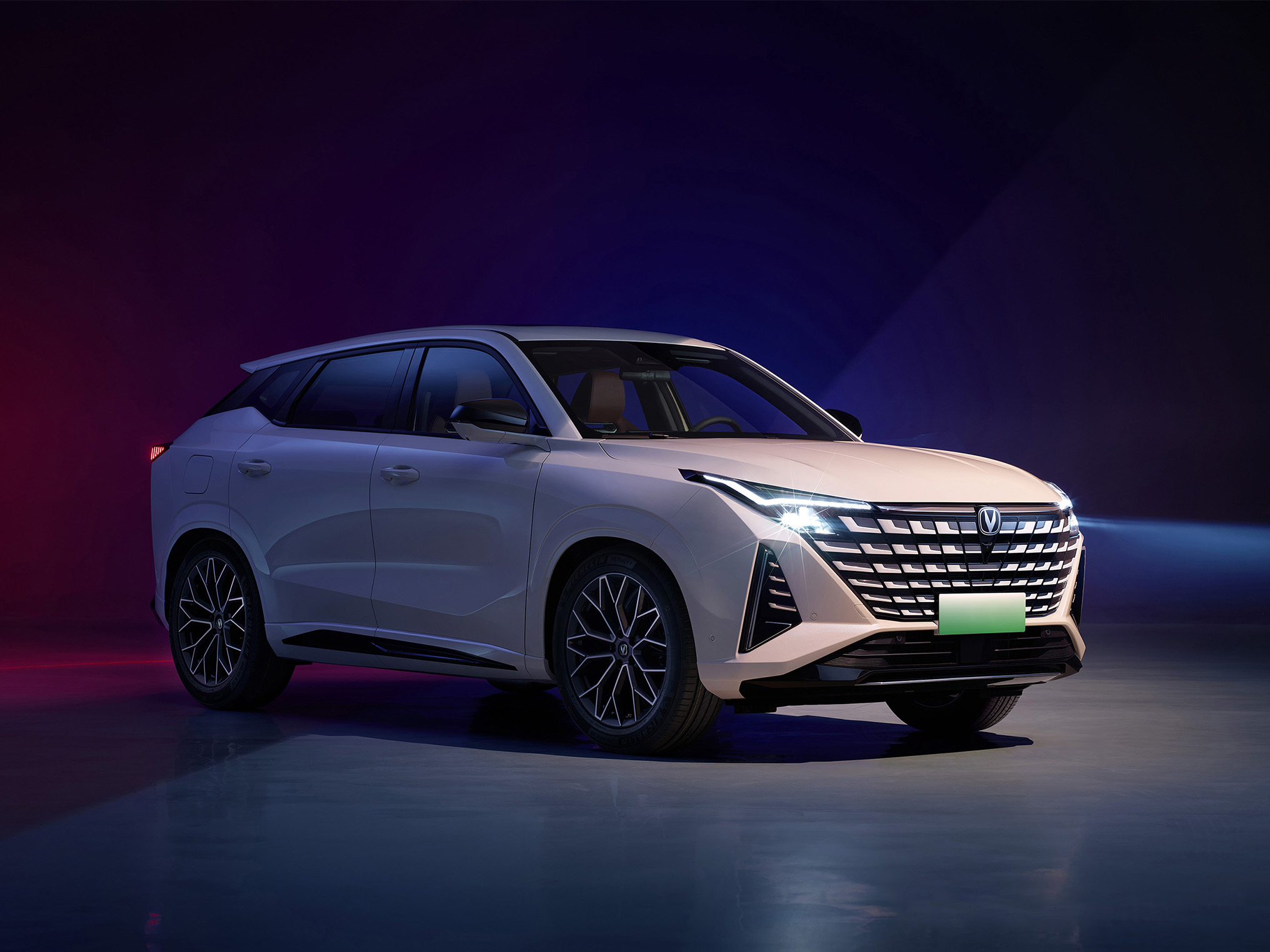
Official context: Review the current Changan UNI-Z product page and match it to the selected vehicle.
Evidence specific to this decision
Log temperature, storage time, initial energy and 12V state, charging curve, warnings and a controlled drive followed by a post-test scan.
Separate temperature effect from battery diagnosis
Begin with ambient temperature, storage duration, odometer, displayed state of charge, 12V voltage or support status and every warning. A cold vehicle can show lower available energy, different charging behaviour and greater cabin-heating demand without that single observation proving permanent high-voltage battery damage. Conversely, warming the car before inspection can conceal a cold-start or support-system problem.
Use one documented charging session and a repeatable drive. Record charger type, starting and ending state, time, interruptions, battery or system temperatures available through the chosen diagnostic method, distance, speed, HVAC, passengers and arrival reserve. Scan before and after. Compare observations with the identified version and test conditions, not with an online range claim measured under another cycle.
| System | Storage or cold-weather evidence |
|---|---|
| High voltage | Warnings, temperature context, charge acceptance and balance data available |
| 12V system | Resting state, wake-up behaviour and charging support |
| Thermal system | Coolant condition, leaks, HVAC and relevant faults |
| Tyres and brakes | Pressure, flat spotting, corrosion and road behaviour |
Recommission the candidate before approval
After extended storage, inspect for leaks, moisture, pests, corrosion, seized or noisy brakes, tyre deformation and stale service items before a normal road test. Confirm keys, charging cable and documented storage responsibility. For shipping, agree the carrier’s current battery or fuel-state instructions and record the vehicle at handover. A successful wake-up is not a warranty of future range; it is one dated result inside the broader battery, charging and maintenance file.
Keep one VIN across the file
Energy planning changes completely between gasoline and iDD. A PHEV buyer must prove battery identity and charging compatibility; a gasoline buyer must verify engine, DCT, emissions and fuel/service support.
Preserve original-language records beside translations. Connect photos, diagnostic output, charging or road tests, inspection, quotation and contract to the same VIN. Conflicts stop approval until resolved at source.
| Evidence | What to record |
|---|---|
| Identity | VIN, production plate, legal model, powertrain and version |
| Condition | Dated physical checks, history, diagnostics and test results |
| Compatibility | Destination consequence, limitation and responsible reviewer |
| Commercial | Seller, beneficiary, included work, validity and delivery term |
Energy decision file
For iDD, record inlet, charging limits, battery identity, diagnostics, temperature and a controlled session. For gasoline, record fuel, emissions, engine and DCT behaviour.
Charging availability changes PHEV value, while fuel and hybrid-service access vary. Compare the complete ownership environment.
Test an ordinary day and an adverse day
Use realistic passengers, luggage, weather, speed, gradients, traffic and energy availability. For iDD, include a failed charger and battery reserve. For gasoline, include local fuel, emissions and workshop constraints. A specification is context, not a guarantee of suitability.
Mark each conclusion green, amber or red with evidence date and owner. Amber needs a priced consequence or condition; red stops payment. Do not turn missing proof into a positive feature claim.
Preserve the approved vehicle to delivery
Carry VIN, version, condition and included work through quotation, contract, invoice, export records and loading media. Record odometer, fuel or charge state, keys, cables, accessories, faults and exterior condition at handover.
China-side work cannot promise destination tax, conformity, registration, charging access, software services, warranty, insurance or future reliability. Refresh local advice if vehicle, route or rules change.
Request a VIN-linked UNI-Z proposalDocuments that keep this decision usable
Create a candidate summary naming the VIN, production date, legal model, powertrain, version, odometer and seller. Attach original identity records, continuous dated media, inspection findings, diagnostic output, road-test notes and charging results where applicable. Each conclusion should identify its source, test condition, limitation, reviewer and expiry point.
Keep the commercial file separate but connected: dated quotation, included and excluded work, inspection conditions, contract entity, bank beneficiary, export responsibility, carrier acceptance and delivery boundary. The destination file records tax or duty advice, conformity, registration, insurance, energy access and workshop support. A changed input reopens the affected decision while preserving the audit trail.
Before loading, compare the approved summary with the physical vehicle and final documents. Record keys, cables, accessories, odometer, fuel or battery state, warnings and visible condition. This final comparison helps prevent a correct inspection being attached to the wrong car.
Buyer questions
Does cold-weather range prove battery damage?
No. Temperature, HVAC, speed, load and test state affect available energy; combine a controlled test with battery and fault evidence.
Why check the 12V system on an iDD vehicle?
The 12V system supports wake-up and control functions, so weakness after storage can create symptoms separate from high-voltage battery health.
What should be checked after long storage?
Inspect energy systems, fluids, leaks, brakes, tyres, moisture, warnings, charging and road behaviour under documented conditions.